
Human Resources Management in Companies?
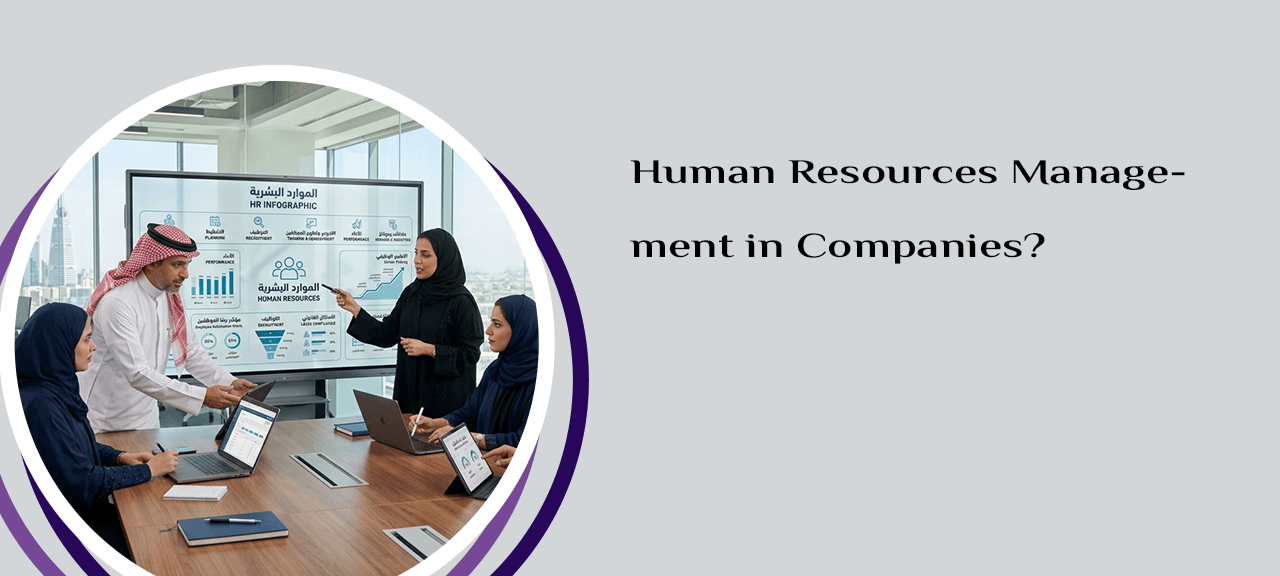
If your company's top 5 performers vanished tomorrow, would you continue to turn a profit?
If your answer is silence or a wave of anxiety, you are not alone. However, this is a critical warning sign alerting you early on that your enterprise suffers from a genuine administrative gap and urgently needs to master Human Resources Management.
It is the ultimate lifeline for any business. So, how do you protect your company and turn your workforce into a continuous engine and partner for profitability? Let’s explore this article in detail.
Concept and Importance: What is Human Resources Management?
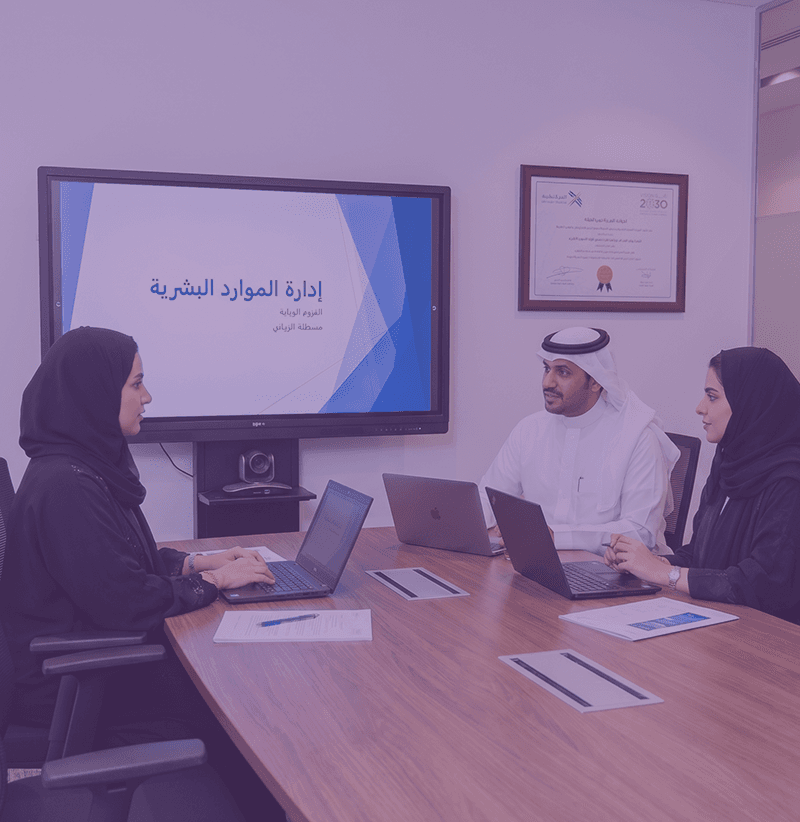
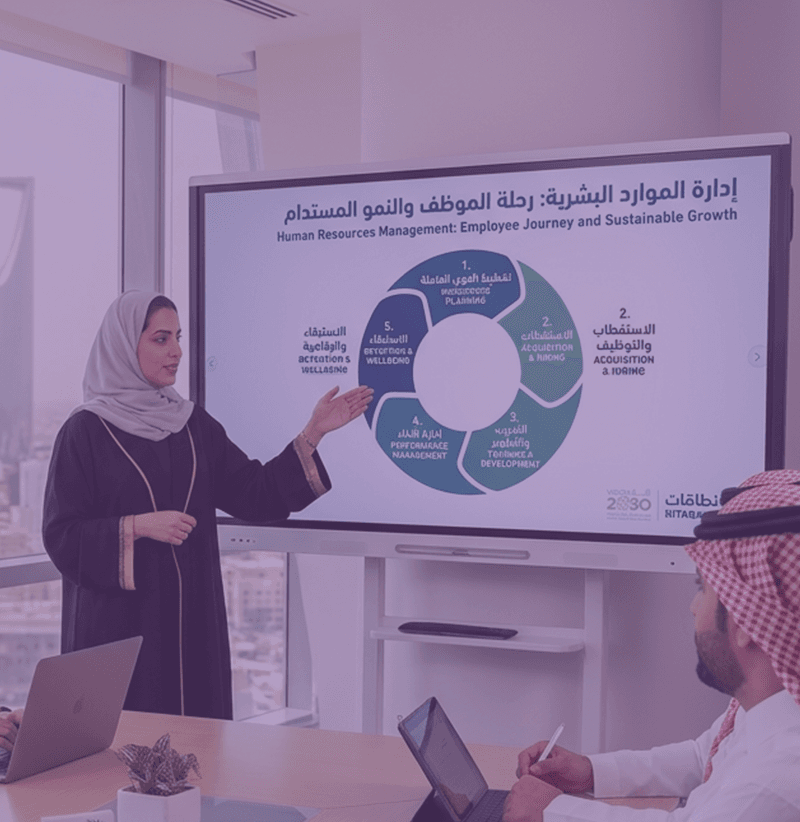
Human Resources Management HRM is the science and strategy centered on organizing, developing, and investing in human capital within an enterprise. Far from being confined to routine, paper-based administrative tasks—such as calculating leave balances or tracking attendance logs—it serves as the core engine responsible for facilitating the entire employee journey. This spans from attracting and hiring premium talent, through training and performance evaluation, all the way to talent retention to guarantee continuous business growth.
The operational and financial value of implementing effective Human Resources Management is demonstrated in:
- Maximizing Productivity and Minimizing Waste: Placing the right person in the right role drives output and mitigates costly human errors.
- Curtailing Employee Turnover: The absence of a clear people strategy naturally pushes top talent to escape toward your competitors.
- Securing Legal and Regulatory Compliance: Drafting proper contracts and adhering to local labor laws safeguards your company against lawsuits and heavy financial penalties.
- Translating Corporate Objectives into Reality: This department serves as the strategic bridge connecting upper executive vision with the actual day-to-day performance of employees.
- Fostering Innovation and Corporate Agility: It contributes to cultivating a psychologically safe environment that embraces trial and error, encouraging professionals of both genders.
- Elevating Employer Branding: The company becomes highly attractive to the market's top minds without incurring inflated recruitment advertising expenses.
To ensure your enterprise operates on this path, you must understand how to execute this management style properly.
How to Manage Human Resources in 5 Core Steps?
To keep your company ahead of the market with the profit margins you desire, you must implement these 5 fundamental pillars:
1. Strategic Planning and Smart Hiring
Begin by analyzing gaps in the organizational hierarchy to understand what the institution truly requires. This involves drafting competency-based job descriptions and designing structured interviews that evaluate cultural alignment alongside technical skills.
2. Continuous Training and Development
Identify performance gaps to address the actual training needs of your teams. Be sure to incorporate training on modern technological tools, which elevates operational efficiency and upgrades the capabilities of the entire workforce.
3. Performance Management and Evaluation
Traditional annual reviews have proven ineffective because they deliver feedback too late. Modern Human Resources Management focuses on linking employee goals to major corporate objectives using clear Key Performance Indicators (KPIs).
4. Structured Compensation and Benefits
Conduct thorough market salary benchmarking to ensure you offer fair, competitive wages. Additionally, design unique perks that fulfill the actual needs of your talent, such as hybrid work options or performance-driven incentives.
5. Employee Relations and Workplace Culture
Implement transparent internal policies that guarantee equity, resolve disputes with absolute professionalism and legality, and cultivate an environment that supports open communication while dismantling bureaucratic red tape.
Modern Strategies: Human Resources Management for 2026:

Commercial expansion and multiplying your bottom-line figures require transitioning from conventional administration to smart, tech-driven Human Resources Management strategies through 4 forward-looking steps:
- Automating digital workflows and relying entirely on cloud-based ecosystems.
- Measuring HR analytics and cost-per-hire to predict turnover risks and protect the establishment.
- Cultivating a work environment that seamlessly supports hybrid and remote work models.
- Leveraging Artificial Intelligence tools to design long-term workforce strategies.
- Prioritizing mental well-being by offering employee psychological support programs.
The Role of Automation in Modern HR:
Modern management can no longer tolerate paper-based transactions or repetitive manual files. Accelerating operational efficiency demands integrating technology as a core component. Today, advanced Human Resources Management relies on cloud software and AI to:
- Automatically screen and filter resumes to select the optimal candidates for interviews.
- Automate payroll processing, leave management, and attendance evaluation.
- Analyze big data to predict employee resignation rates before they occur, protecting organizational stability.
When decision-makers understand how to manage human resources through technology, it gives teams the full energy to focus on growth strategies rather than getting buried in routine chores.
Successful HR Strategies for Startups in the Saudi Market:
Startups in the Saudi market do not have the luxury of time or the massive budgets that major corporations possess for trial and error. Therefore, here is how to navigate Human Resources Management successfully in the early stages of your journey in the Saudi market:
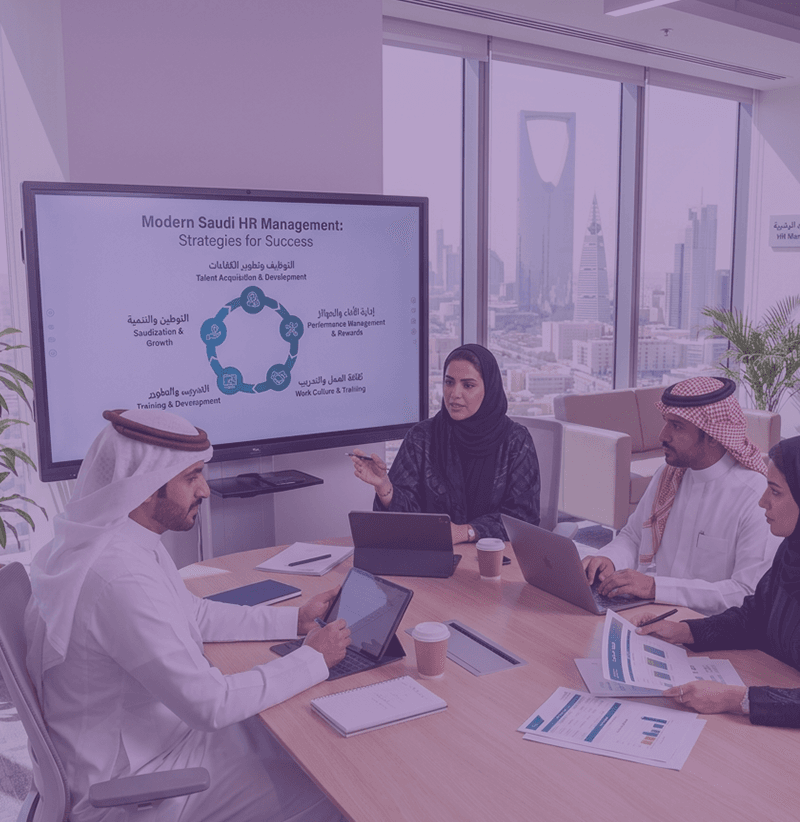
- Prioritize Multi-Skilled Talent:Instead of looking for an employee specialized in only one tiny area, focus on high-caliber individuals of both genders who possess adaptability and the capacity to wear multiple hats.
- Strict Compliance with Labor Regulations and Qiwa:The Saudi market is highly stringent regarding legal compliance. Your HR operations must include documenting contracts via the Qiwa platform and managing social insurance (GOSI) records to shield your company from violations and fines.
- Automate Procedures with Cloud Software:Rely on localized cloud systems that comply with Saudi labor laws to manage employee documentation, leave, and payroll smoothly.
- Build a Flexible and Attractive Workplace Culture:Since startup payroll budgets might not initially match corporate giants, your primary tool to retain brilliant minds is offering a flexible environment and performance-linked incentives.
Conclusion:
Ultimately, the commercial reality of 2026 proves that employees are not a mere line item expense; they are the genuine assets that draw the line between organizational growth and stagnation. Your grasp of Human Resources Management and your ability to apply it with a proactive, modern methodology is the smartest investment you can make. It shields your enterprise from sudden disruption and ensures continuous profitability—even if your top performers disappear tomorrow.
Your Stability and Development Checklist:
- An integrated strategic framework to invest in human capital and streamline the employee journey.
- Smart hiring, continuous training, agile performance tracking, fair compensation structures, and a flexible culture.
- Digital automation, cloud software, and the strategic deployment of AI tools.
- Focusing on multi-skilled talents and maintaining strict compliance with local Saudi labor systems.
Don't wait until your enterprise faces a sudden operational gap. Contact the corporate consultants at Saee today to optimize your workplace environment and secure your organizational growth.