
استراتيجيات تطوير الأعمال في عصر التكنولوجيا: كيف تواكب التغيير

التطور الرقمي لم يعد خياراً.. فكيف ستواجه المستقبل؟
أصبحت استراتيجيات تطوير الأعمال الحديثة هي البوصلة التي توجّه السفن التجارية في بحر التكنولوجيا وتفرض شروط ضرورة البقاء.
عالمنا اليوم تغير في بيئة الأعمال فما كان يستغرق سنوات لتحقيقه..أصبح يتم في غضون أشهر بفضل الأدوات التقنية هذا التغيير أجبر الشركات على الانتقال إلى النماذج الرقمية المرنة التي تعتمد على السرعة والابتكار.
ما المقصود بـ استراتيجيات تطوير الأعمال؟
هذه الاستراتيجيات هي الأداة التي تضمن للشركات التوسع في الأسواق بذكاء إليك توضيح للمفهوم والأهداف:

1. تعريف استراتيجية تطوير الأعمال:
هي خارطة طريق تتضمن مجموعة من الخطط والعمليات والأنشطة التي تهدف إلى تحسين وضع المؤسسة وخلق قيمة مضافة لها على المدى البعيد ولا يعتمد هذا المفهوم على الربح السريع بل يركز على ثلاثة محاور أساسية وهي العملاء والأسواق والعلاقات.
2. الفرق بين النمو العشوائي والنمو الاستراتيجي:
- النمو العشوائي: هو زيادة في حجم العمل نتيجة ظروف طارئة أو قرارات لحظية غير مدروسة.
- النمو الاستراتيجي: هو توسع مدروس يعتمد على استراتيجيات تطوير الأعمال حيث يتم تحليل البيانات وتوقع المخاطر واستهداف أسواق بعينها لضمان استمرارية النجاح.
3. أهداف استراتيجية تطوير الأعمال:
- التوسع في الأسواق: البحث عن مناطق جغرافية جديدة أو فئات عملاء لم يتم استهدافهم من قبل.
- زيادة الإيرادات: ابتكار طرق جديدة لرفع قيمة المبيعات وتطوير منتجات تواكب حاجة السوق.
- تحسين الكفاءة التشغيلية: تقليل التكاليف وزيادة جودة الإنتاج من خلال تبني تقنيات حديثة.
- تعزيز التنافسية: جعل المؤسسة الخيار الأول للعميل بفضل ما تقدمه.
كيف غيّرت التكنولوجيا مفهوم تطوير الأعمال؟

أحدثت التكنولوجيا ثورة في مفهوم استراتيجيات تطوير الأعمال حيث نقلتها من حيز التخمين إلى الدقة وفيما يلي نوضح ذلك:
- التحول من الأساليب التقليدية إلى الرقمية: في الماضي كان تطوير الأعمال يعتمد على الزيارات الميدانية والعلاقات الشخصية المحدودة..أما اليوم فقد جعلت الرقمنة العالم قرية صغيرة حيث تساهم الأدوات التقنية في اتخاذ قرارات دقيقة مبنية على حقائق ملموسة التحول الرقمي لم يغير "الأدوات" فحسب بل غير "العقلية" التي تُدار بها الشركات.
- دور البيانات في صياغة استراتيجيات تطوير الأعمال: لم يعد التخطيط يعتمد على التخمين بل أصبح اتخاذ القرار مبنياً على التحليل لسلوك المستهلك واتجاهات السوق فالبيانات تمنح المخططين رؤية واضحة تمكنهم من صياغة استراتيجيات الأعمال.
أبرز استراتيجيات تطوير الأعمال في عصر التكنولوجيا:
تعتمد استراتيجيات تطوير الأعمال على دمج الابتكار التقني في صميم العمليات التجارية وهذا يتيح للمؤسسات تجاوز الحدود التقليدية للنمو والوصول إلى آفاق تنافسية جديدة ومن امثلة ذلك:
- التحول الرقمي كاستراتيجية أساسية: دمج التكنولوجيا في صميم العمليات هو إعادة صياغة لتجربة العملاء مع العلامة التجارية..الشركة التي تتبنى التحول الرقمي تستطيع تقديم خدماتها بشكل أسرع وأكثر جودة.
- الابتكار المستمر في المنتجات والخدمات: البقاء في الصدارة يتطلب ابتكاراً لا يتوقف..الشركات التي نجحت لم تتوقف عند نجاحها الأول بل جعلت الابتكار جزءاً من استراتيجيات تطوير الأعمال الخاصة بها وهذا يجعلها تسبق احتياجات السوق بخطوات.
- التوسع في الأسواق الرقمية: التجارة الإلكترونية والمنصات الرقمية أصبحت ضرورة لكل نشاط تجاري واستخدام القنوات الرقمية يسمح للشركات بالنمو بتكلفة أقل بكثير من التوسع المادي التقليدي.
- بناء شراكات استراتيجية: التعاون مع شركات تقنية متخصصة يعزز من قوة المؤسسة فالشراكات الاستراتيجية تتيح للشركات تبادل الخبرات والوصول إلى تقنيات متطورة دون الحاجة لتطويرها من الصفر.
لا تنتظر التغيير..كن أنت من يصنعه بذكاء واحترافية عبر منصة سعي.
دور الذكاء الاصطناعي في استراتيجيات تطوير الأعمال:
يُعد الذكاء الاصطناعي المحرك الفعلي للجيل القادم حيث يمنح المؤسسات قدرات فائقة على تحليل البيانات والتنبؤ باتجاهات السوق بدقة غير مسبوقة فهو يعمل على:
1. تحسين اتخاذ القرار:
حيث تستطيع الشركات توقع التغيرات في الطلب وتعديل استراتيجيات تطوير الأعمال الخاصة بها بشكل استباقي.
2. أتمتة العمليات:
تساهم الأتمتة في تقليل التكاليف التشغيلية بشكل ضخم وزيادة الكفاءة حيث يتم إنجاز المهام المتكررة بدقة يفرغ الكادر البشري للتركيز على المهام الإبداعية والاستراتيجية التي تضيف قيمة حقيقية للمنظمة.
كيف تساعد استراتيجيات تطوير الأعمال في تحسين تجربة العملاء؟
فهي تعمل كجسر يربط بين تطلعات العميل وقدرات المؤسسة حيث تسخر الأدوات التقنية لفهم احتياجاته بدقة وتقديم حلول مخصصة تفوق توقعاته ويتلخص في:
1. فهم احتياجات العملاء:
التكنولوجيا تتيح لنا تحليل سلوك العملاء بعمق وهذا يسمح بتخصيص الخدمات والمنتجات لتناسب تطلعات كل عميل.
2. تقديم خدمات رقمية متكاملة:
السرعة..فإن توفير تطبيقات سهلة الاستخدام يضمن للعميل الحصول على الخدمة بضغطة زر وهذا يرفع من معدلات الولاء والرضا.
كيف تبني استراتيجية تطوير أعمال ناجحة؟
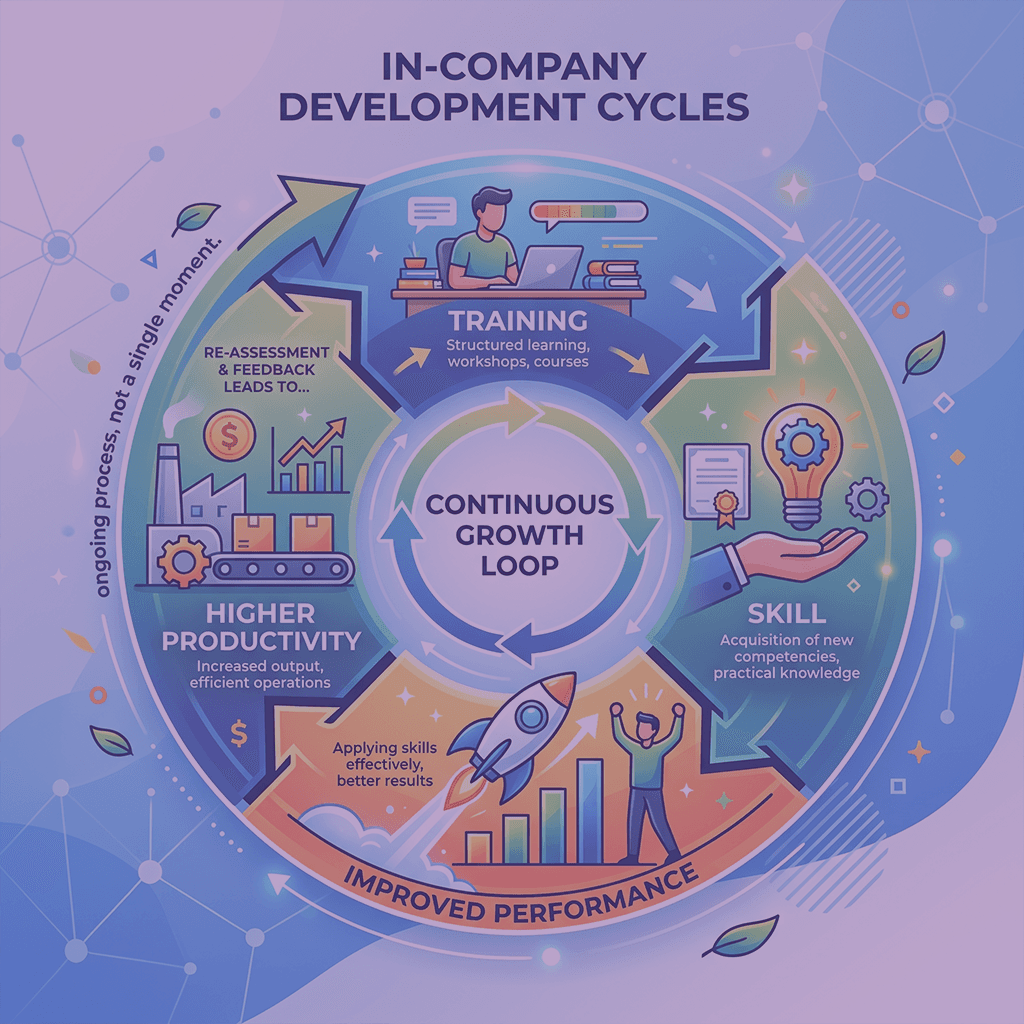

بناء استراتيجيات تطوير الأعمال الناجحة يتطلب رؤية شاملة تمزج بين تحليل الواقع الحالي واستشراف فرص المستقبل فهي عملية منهجية تبدأ بوضع أهداف واضحة وتمر باختيار الأدوات التقنية المناسبة لضمان تحويل الخطط النظرية إلى نتائج ملموسة تتمثل خطواتها في التالي:
- تحليل الوضع الحالي: ابدأ بتحديد نقاط القوة والضعف وتقييم أدائك الحالي.
- تحديد الأهداف الاستراتيجية: ضع أهداف ذكية واربطها برؤية الشركة الشاملة.
- اختيار الأدوات التكنولوجية: اختر أنظمة إدارة الأعمال وأدوات التحليل التي تناسب حجم نشاطك واحتياجاتك.
- التنفيذ والمتابعة: لا تتوقف عند التنفيذ بل قم بقياس الأداء باستمرار وأجرِ التعديلات اللازمة لمواكبة الواقع.
فالمؤسسات التي تبدأ اليوم هي التي ستقود الغد لذلك ندعو جميع الشركات لاتخاذ خطوات جادة نحو التطوير الرقمي لضمان مستقبل مشرق.
اكتشف باقات تطوير الأعمال من سعي وحوّل طموحاتك إلى واقع.
الخاتمة:
استراتيجيات تطوير الأعمال لم تعد مجرد خطط تهدف لزيادة الأرباح بل هي عملية تحول تمزج بين الابتكار التقني والمرونة البشرية..ولذلك الفجوة بين الشركات الرائدة والمتعثرة تكمن في مدى سرعة تبني هذه الاستراتيجيات وتوظيف التكنولوجيا كشريك استراتيجي وليست مجرد أداة مساعدة.
فالمستقبل ينتمي للذين يمتلكون الرؤية والشجاعة للاستثمار في عقول كوادرهم لضمان نموٍ مستدام لا يتوقف عند حدود الأزمات.
الأسئلة الشائعة:
ما هي استراتيجيات تطوير الأعمال؟
هي مجموعة من الخطط والأنشطة التي تهدف إلى خلق قيمة طويلة الأجل للمؤسسة من خلال بناء علاقات قوية وفتح أسواق جديدة وتعظيم الاستفادة من موارد الشركة.
ما هي خطوات تطوير الأعمال؟
- تحليل دقيق للسوق والمنافسين لتحديد الفرص.
- وضع استراتيجية مرنة تترجم هذه الفرص إلى أهداف ملموسة.
- مرحلة التنفيذ مع مراقبة الأداء عبر مؤشرات القياس KPIs.
- التحسين المستمر لضمان مواكبة المتغيرات الطارئة في بيئة الأعمال.
ما هي أنواع استراتيجيات إدارة الأعمال؟
- استراتيجية مستوى الشركة: التي تحدد التوجه العام للإدارة العليا.
- استراتيجية مستوى الأعمال: التي تركز على المنافسة والتميز في سوق معين.
- استراتيجية المستوى الوظيفي: التي تهتم بكفاءة الأقسام مثل التسويق والعمليات لتحقيق التكامل والنجاح المؤسسي الشامل.
ما هي المستويات الخمسة لريادة الأعمال؟
- العمل الحر والاعتماد على المهارة الشخصية.
- الإدارة وتنظيم العمل.
- القيادة وتوجيه الفريق.
- الاستثمار او تشغيل الأموال.
- ريادة الأعمال الحقيقية.