
A Leader's Guide for Workplace conflict management in the Workplace and Turning Disputes into Success
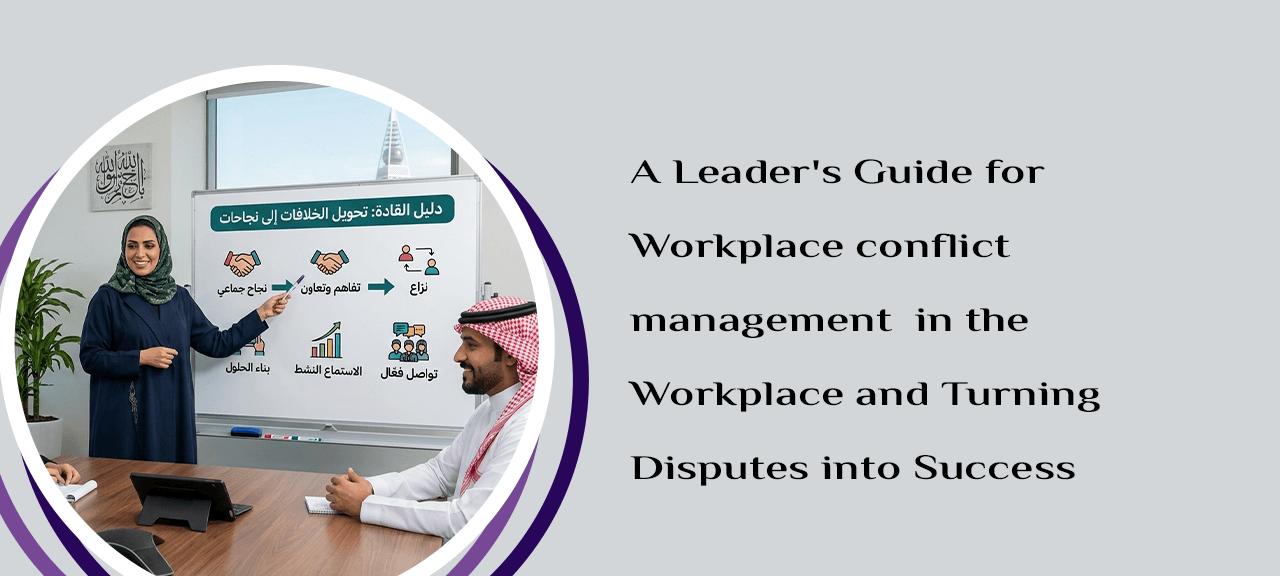
You aren’t just losing your employees—you are losing your market share!
Behind almost every lost client or failed project, there is often an internal dispute that drained team energy long before your services ever reached the public.
In today's competitive corporate landscape, any management friction is a direct threat to decision-making speed, production quality, and ultimately, your bottom line.
Therefore, leaders must recognize these warning signs early and master the art of workplace conflict management. Let’s explore this crucial capability in detail.
Understanding the Concept of Workplace Conflict?
Before you can implement effective workplace conflict management, you must understand exactly what your company is up against. Simply put, workplace conflict is a state of friction or disagreement that occurs between employees or departments. It stems from differing opinions, clashing interests, misaligned responsibilities, or breakdowns in communication.

Left unmanaged, it inevitably erodes performance and productivity. This is where strategic workplace conflict management becomes vital.
It serves as an organized, structured process to contain disputes and resolve them objectively, protecting organizational stability and operational health.
The 4 Main Types of Workplace Conflict:
To handle these situations efficiently, leaders must distinguish between the four primary forms of conflict:
- Interpersonal Conflicts: Driven by personality clashes, behavioral differences, or a simple lack of personal chemistry between colleagues.
- Task and Idea Conflicts: Disagreements regarding the core work itself, such as differing views on a marketing plan or project execution framework.
- Structural and Organizational Conflicts: Caused by overlapping authority, a lack of corporate governance, or intense competition over limited resources.
- Value and Principle Conflicts: Triggered by diverse cultural backgrounds or differing personal values regarding how decisions should be made.
Root Causes of Operational Disputes in Corporations
Disputes never ignite out of nowhere; they are the result of accumulated gaps within daily operations. Identifying these operational vulnerabilities is the first step toward successful workplace conflict management:
- Overlapping Authorities: A distinct lack of governance where roles and individual responsibilities are poorly defined.
- Failing Communication Channels: Relying on verbal agreements or informal platforms, which naturally breeds misunderstandings.
- Fierce Departmental Competition: Friction over budgets, advanced technical tools, or top-tier human talent.
- Unintegrated Diversity: Gathering high-caliber talent from diverse backgrounds without establishing a unified corporate culture to blend them together.
- Perceived Favoritism: A feeling among staff that rewards, recognition, and promotions are distributed unfairly.
- Micromanagement: Leaders who lack decisive resolution skills or micromanage tiny details, drastically driving up workplace anxiety.
5 Smart Strategies for Workplace Conflict Management:
A visionary leader does not just diagnose problems; they deploy immediate management tools to safeguard company growth. Here are 5 intelligent strategies you can implement depending on the situation:
1. Collaborative Resolution
Openly discuss the root issue and brainstorm mutually beneficial solutions that satisfy all involved parties.
2. Mutual Compromise
Encourage a give-and-take approach where each party makes small concessions to meet at a reasonable middle ground.
3. Authoritative Command
Step in directly as a leader and utilize your executive authority to hand down a decisive solution that ends the dispute immediately.
4. Strategic Postponement
Pause the discussion temporarily to let emotions cool down and to gather more concrete data and objective information.
5. Neutral Mediation
Introduce a neutral, internal third party to listen to both sides and bridge viewpoints without personal bias.
How Smart Leadership Transforms Disputes into Success?
True leadership intelligence does not stop at merely silencing arguments; it focuses on leveraging them. You can transform operational friction into a distinct competitive advantage and innovative solutions through these steps:
- Shifting the Focus: Turn the conversation from a clash of personalities into a challenge of ideas. This opens the door for unconventional marketing and operational breakthroughs.
- Identifying Systemic Gaps: Use conflicts as a diagnostic tool that clearly highlights weak workflows or organizational gaps requiring tighter governance.
- Enhancing Decision-Making: Evaluating opposing viewpoints prevents leadership teams from making hasty, unilateral decisions.
- Building Corporate Loyalty: When employees see that differing opinions are met with constructive dialogue rather than suppression, their trust in the organization deepens, boosting retention.
When is Conflict Considered Healthy?
Conflict is entirely healthy and natural when it centers on refining ideas, upgrading service quality, and critiquing processes rather than individuals. This dynamic prevents intellectual stagnation and drives continuous development.
The Danger of Ignoring Workplace Disputes?
Neglecting timely intervention creates a toxic corporate culture, causing a sharp drop in productivity, skyrocketing turnover rates, and massive losses in market opportunities as your top talent wastes energy on internal politics.
The Role of HR in Maintaining Organizational Balance:
The Human Resources department acts as the objective anchor safeguarding the company against internal fragmentation. HR specialists excel at workplace conflict management through both proactive and reactive measures:
Rather than merely reacting when an crisis hits, HR establishes clear, transparent policies from day one that outline every employee's responsibilities, mitigating issues before they surface.

When an operational dispute does arise, HR steps in as a secure, confidential bridge. They ensure all parties are heard fairly and without bias, breaking down the problem to reach practical solutions aligned with business interests.


Furthermore, by hosting continuous training sessions on emotional intelligence and effective communication, HR builds a supportive environment where energy is channeled into profitability rather than workplace friction.
Common Pitfalls to Avoid in Corporate Dispute Resolution?
When trying to resolve issues, many managers fall into administrative traps that yield opposite results. To shield your market share, ensure you avoid these common mistakes:
- Sweeping It Under the Rug: Ignoring the friction and hoping it will miraculously disappear on its own.
- Emotional Bias: Taking sides unthinkingly without evaluating the facts objectively.
- Hunting for Scapegoats: Looking for someone to blame instead of fixing the root operational flaw.
- Delayed Intervention: Stepping in long after the dispute has already poisoned team morale.
- Superficial Fixes: Enforcing temporary, surface-level patches that fail to address the core problem.
Conclusion:
Ultimately, your organization's position at the top does not rely solely on the strength of your product, but on the unity of the team creating it. Overlooking workplace conflict management is the exact vulnerability that allows top-tier talent to slip away, taking your market share and profits with them.
Investing in transparent communication channels and clear governance—in close coordination with HR—is your ultimate guarantee for turning internal friction into the fuel that drives sustainable profitability.
Don't let internal disputes compromise your business's future. Reach out to the corporate consultants at Saee today to streamline your operational environment and secure your organizational growth.