
Managing Resistance to Change: How to Successfully Lead Organizational Change?
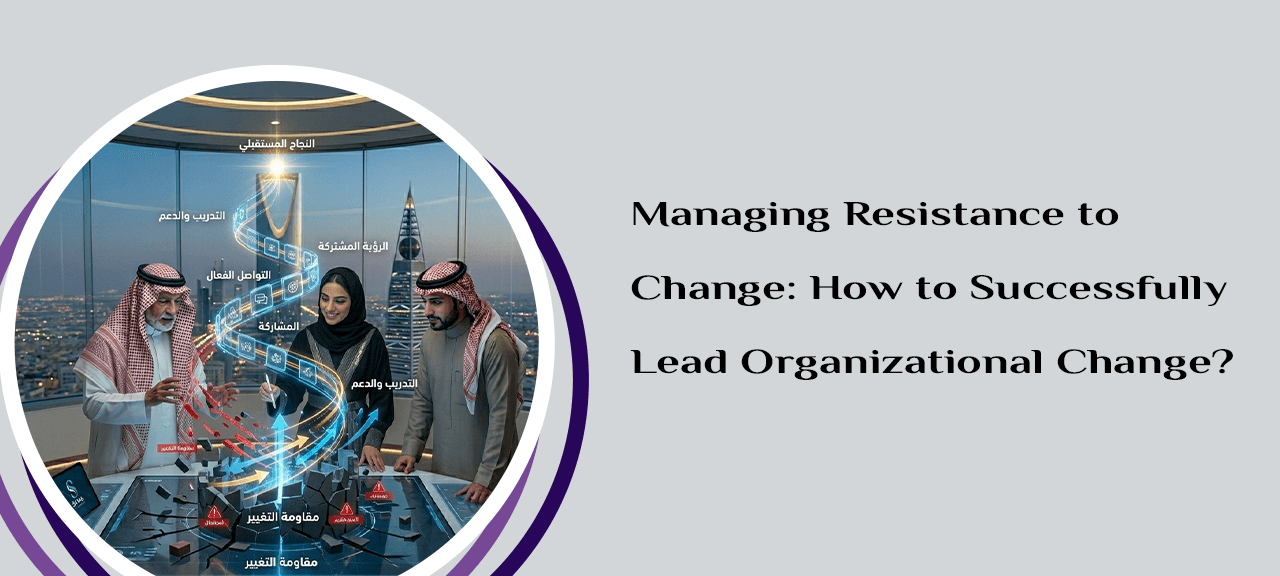
The secret to sustainable leadership is mastering the art of Organizational Change!
In a major industrial firm, productivity was declining despite massive tech investments. The issue wasn't the systems, but the mindset and the approach to change. This article is presented by Sa'ee, your partner in achieving effective and sustainable transformation.
How does Organizational Change guarantee sustainable excellence in vital sectors?

Management launched a digital system to boost efficiency, but despite high expectations, the results were disappointing. Employees resisted the change and returned to traditional methods, proving that the failure lay not in the technology, but in the management of Organizational Change.
What is Organizational Change?
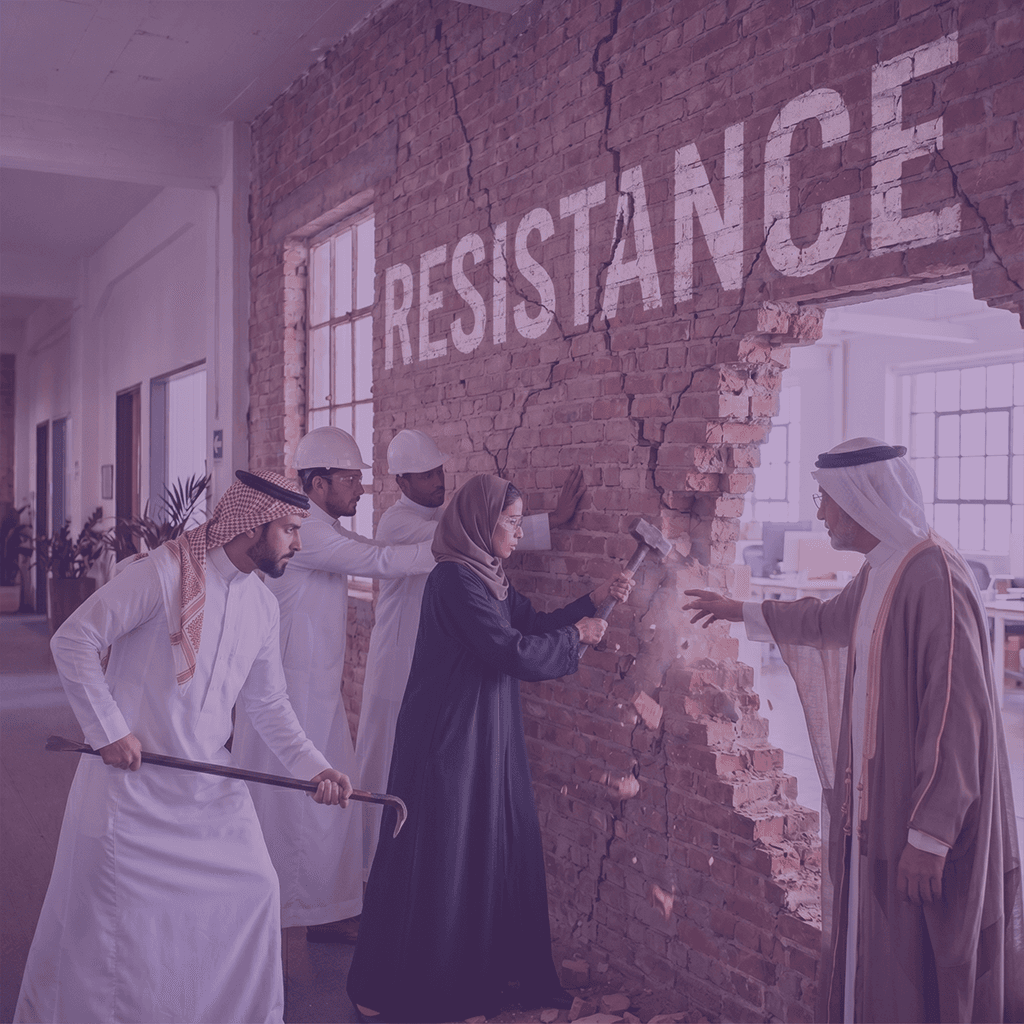
Organizational Change is not just an administrative decision, but a strategic transition toward greater efficiency and competitiveness. It targets four core pillars:
- Corporate Culture: Evolving prevailing values and beliefs.
- Employee Behavior: Adjusting how teams interact and respond to variables.
- Workflows: Enhancing procedural and technical processes.
- Administrative Structure: Redefining authority and responsibilities.
Simply put: Organizational Change is about reshaping the way of thinking before the way of working.
Discover Sa'ee's change management services.
Why do the best change plans fail against the barrier of traditional routine?
To understand Organizational Change more deeply, one must analyze the causes of resistance that often appear in large factories, banks, and telecommunications companies, summarized as:
1. Future Anxiety or Fear of the Unknown
Employees raise existential questions such as: What will happen to my roles? Will I remain competent in the new system? This fear can paralyze productivity if left unaddressed.
2. The Ambiguity Gap
When transparency is missing in explaining why we are changing, employees fill the void with negative rumors, creating an insulating wall between management and field reality.
3. Sense of Loss of Control
Sudden change robs employees of their sense of control over daily tasks, making them feel like they are not partners in success and have no role.
4. Emotional Attachment to Routine
The old routine represents a comfort zone. Breaking it requires mental and nervous effort that the human brain naturally resists due to its tendency to conserve energy and maintain stability.
Why is Organizational Change considered the true guarantee for sustainable results?
In vital sectors like banking and industry, strength lies not in the size of assets but in change agility. Well-planned Organizational Change ensures:
- Instant Response to Competition: The ability to undergo digital transformation before it is too late.
- Increased Operational Efficiency: Reducing human and time waste through flexible procedures.
- Creating an Innovative Environment: Transforming the organization from a recipient of development to a creator of it.
This is achieved by involving employees in decision-making and system improvement, transforming them from mere recipients into partners in the solution, which effectively eliminates resistance.
Practical steps to lead Organizational Change successfully:
1. Clarity of Vision
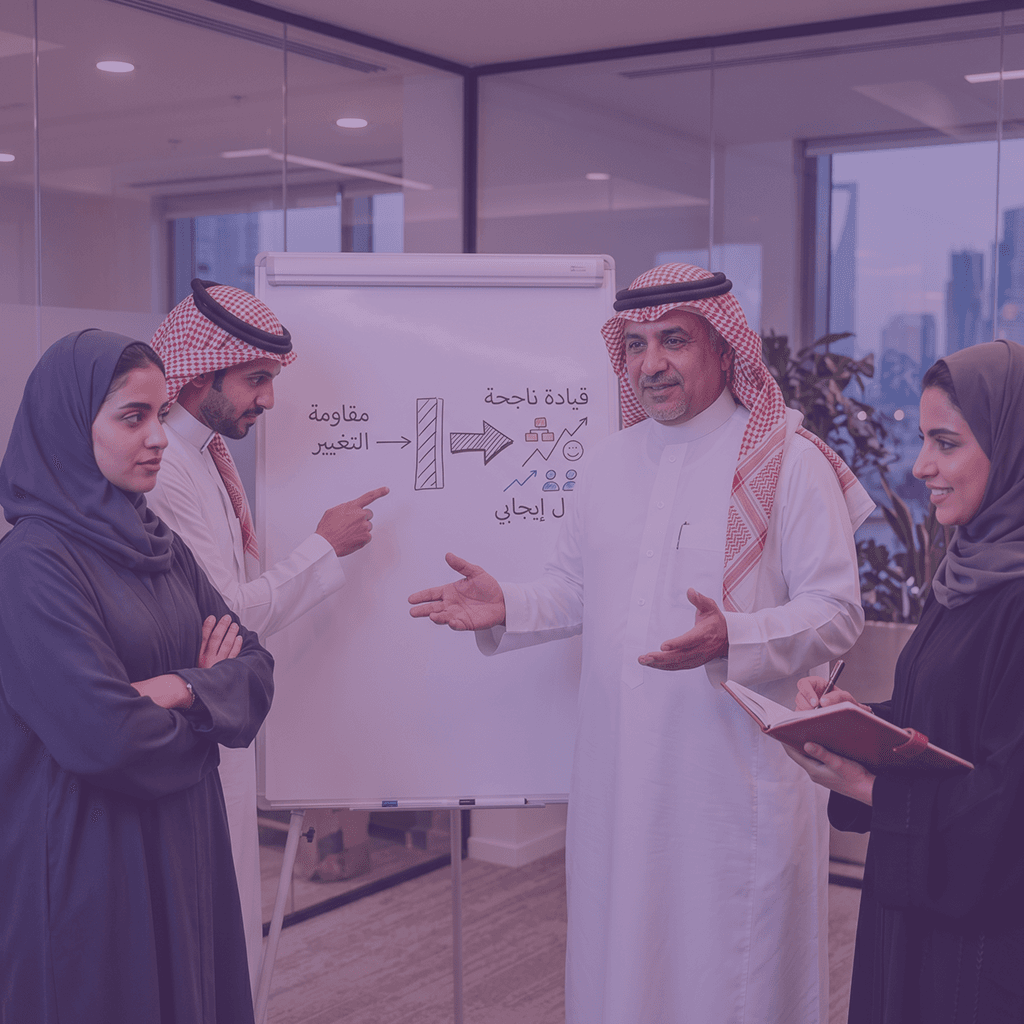
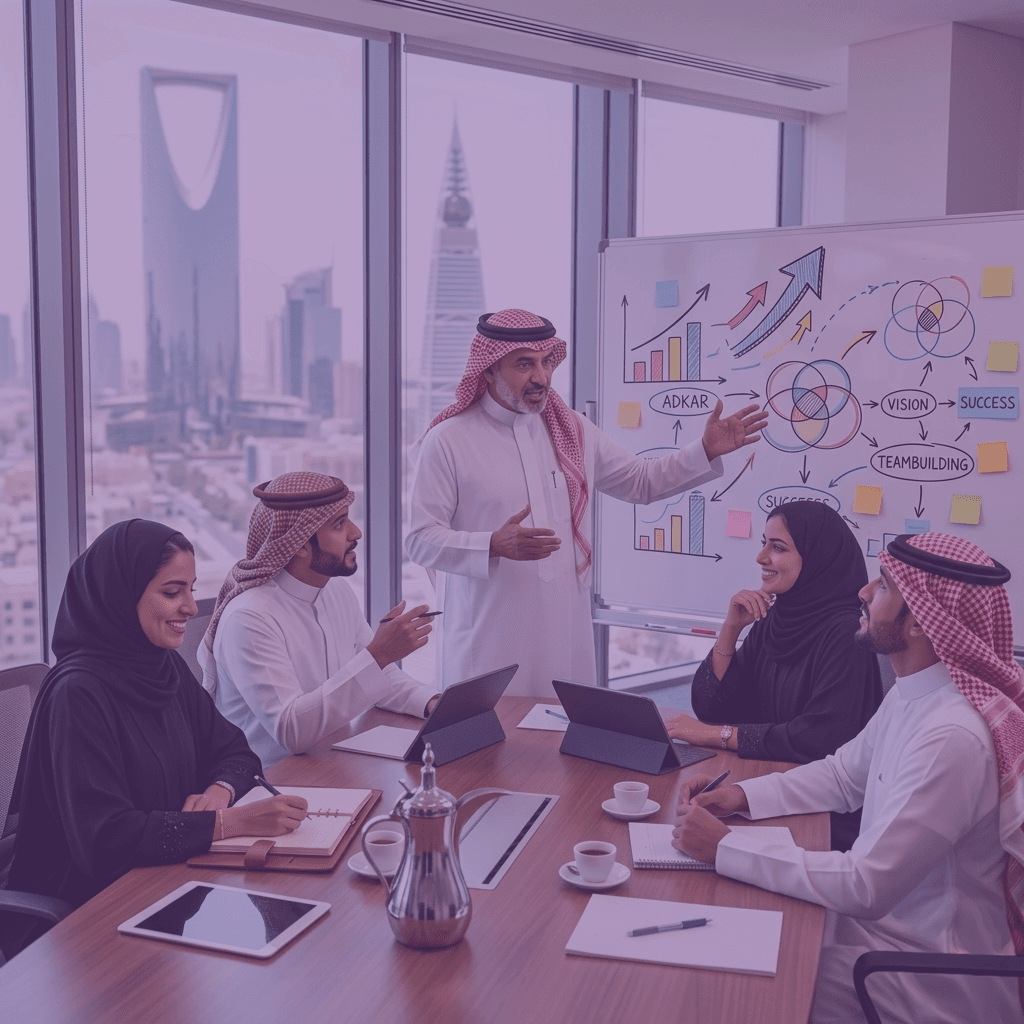
Ambiguity is the enemy of development. Management must provide clear answers to three vital questions: Why change now? What exactly will change? And how will it impact daily tasks?
2. Continuous Communication
Communication in Organizational Change is not just an announcement, but a continuous trust-building process through simple, honest, and strategically repeated messaging across all channels.
3. Empowering Middle Management
Supervisors are the field link. If middle managers do not believe in the feasibility of the transformation, they will turn into a hidden obstacle that aborts the change before it reaches the employees.
4. Investment in Training and Support
Change creates a skills gap. Closing this gap with intensive training reduces anxiety and gives the employee the necessary tools to succeed in the Organizational Change system.
5. Capturing Quick Wins
Showing tangible positive results in the first few weeks breaks the barrier of skepticism and pushes everyone to believe in the feasibility of the new system.
Organizational Change by Vital Sectors:
Organizational Change is a strategic necessity driven by market volatility, with motives and challenges varying by industry. Drawing on Sa'ee's expertise, we examine how this transformation shapes key economic sectors.
1. Industrial Companies:
In factories, Organizational Change centers on Automation and increasing production line efficiency.
- Core of Change: Transitioning from manual labor to Industry 4.0 technologies (IoT and AI).
- The Challenge: Fear of job loss and the perception of robots as replacements.
- Sa'ee's Solution: Focusing on "Re-skilling" to convince staff that change shifts them from physical labor to technical supervisory roles.
2. Banking Sector:
Banking Change: A delicate process where errors are costly to both finances and reputation.
- Core of Change: Full digital transformation and adherence to international compliance standards.
- The Challenge: Complex bureaucracy and employee fear of regulatory violations during transitions.
- Sa'ee's Solution: Utilizing "Sandboxes" to test changes safely before full rollout, effectively reducing job-related anxiety.
3. Telecommunications Companies:
Telecom Sector: The fastest-moving industry due to rapid technological obsolescence.
- Core of Change: Instant adaptation to evolving network speeds and rising customer expectations.
- The Challenge: Change Fatigue, where employees feel exhausted by the constant cycle of new systems.
- Sa'ee's Solution: Cultivating psychological resilience and establishing the mindset that change is the "only constant," rather than an emergency event.
Start your journey of excellence with Sa'ee today.
Conclusion:
The success of Organizational Change is measured by leadership's ability to win employee trust and transform resistance into active participation. Sa'ee acts as a strategic partner, turning change into a sustainable culture that ensures market leadership by empowering everyone as partners in shaping the future.
Frequently Asked Questions (FAQ):
What are examples of Organizational Changes?
Examples vary by need, such as digital transformation in banking, production line automation, or administrative restructuring and department mergers to boost efficiency and evolve corporate culture to meet market demands.
Stages of the Organizational Change process?
The process involves 3 main stages:
- Unfreezing: Preparing employees to accept the change.
- Implementation: Executing the modifications and launching new systems.
- Refreezing: Integrating new practices into the organizational culture to ensure sustainability and prevent reverting to old methods.
What are Organizational Change tools?
Organizations rely on powerful tools like SWOT analysis to identify opportunities and risks, and the ADKAR model to measure employee readiness, alongside digital governance and continuous training to ensure a smooth and successful transition.
What are the five elements of change?
They consist of:
- Clarity.
- Communication.
- Collaboration.
- Consistency.
- Commitment.