
Methods of Employee Developments and Traning and how to influence productivity
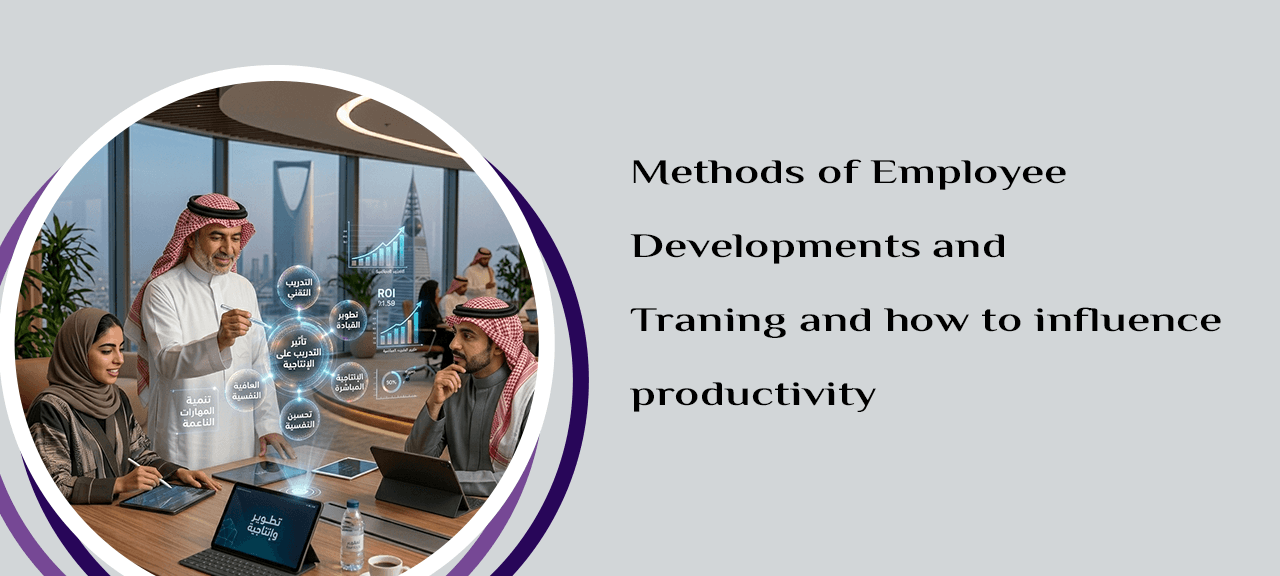
Invest in your employees today to lead tomorrow!.
In a rapidly shifting global economy, Employee Development has become a vital pillar of organizational success. By prioritizing training and staff growth, companies bridge the gap to their vision, ensuring higher efficiency and lower operational costs.
What is Meant by Employee Development?
Employee Development is a continuous, systematic process designed to enhance staff skills, knowledge, and capabilities. It goes beyond fixing current gaps, focusing on preparing teams for future demands to drive significant gains in overall efficiency and productivity.
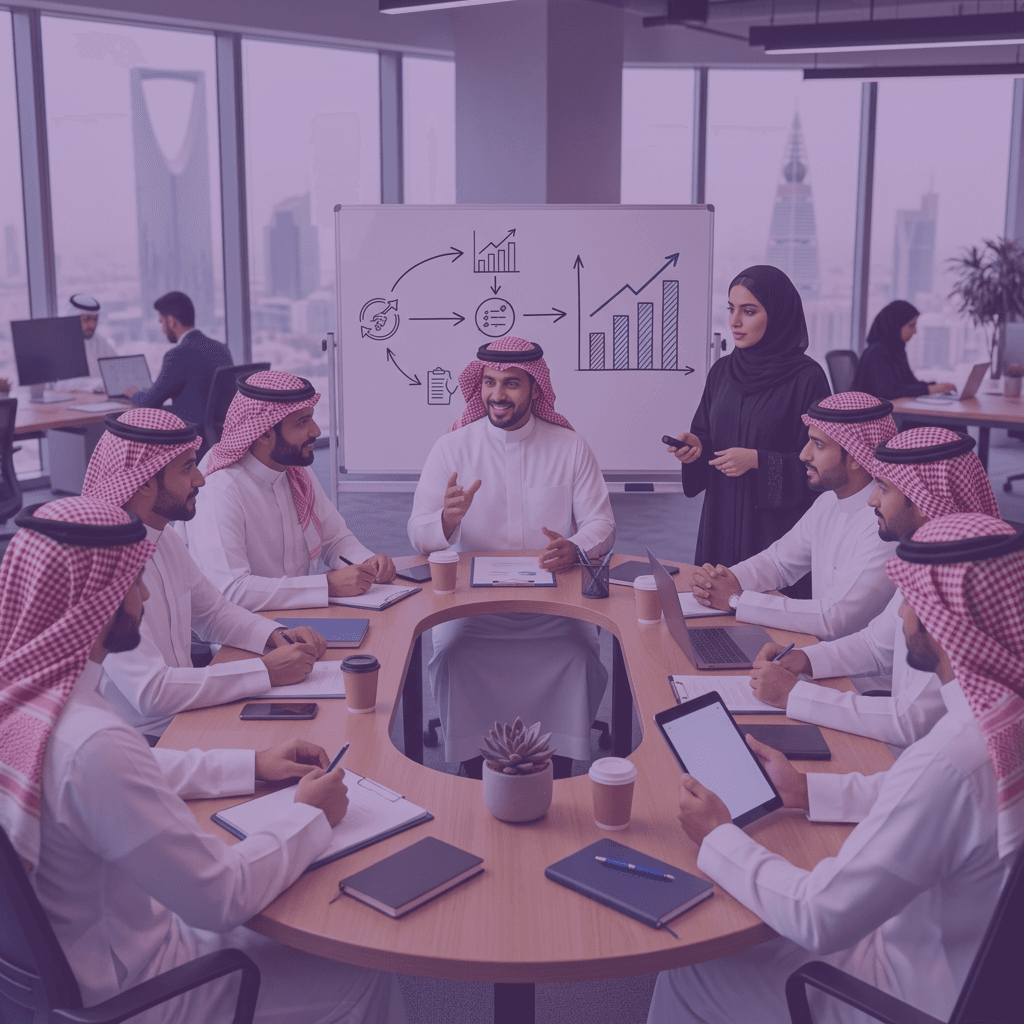
1. The Difference Between Training and Development
While they overlap, the distinction lies in scope:
Training is short-term and targets specific skills for current tasks, while Employee Development is a long-term, broader approach focused on professional growth and preparing staff for future leadership roles.
2. Objectives of Employee Development
Strategic Employee Development programs aim to achieve the following:
- Performance Improvement: Mastering daily tasks for maximum efficiency.
- Modern Knowledge: Keeping staff updated on the latest tech and industry trends.
- Leadership Growth: Developing capable leaders to manage teams intelligently.
- Job Satisfaction: Increasing employee engagement by supporting professional growth.
Why is Employee Development a Necessity for Organizations?
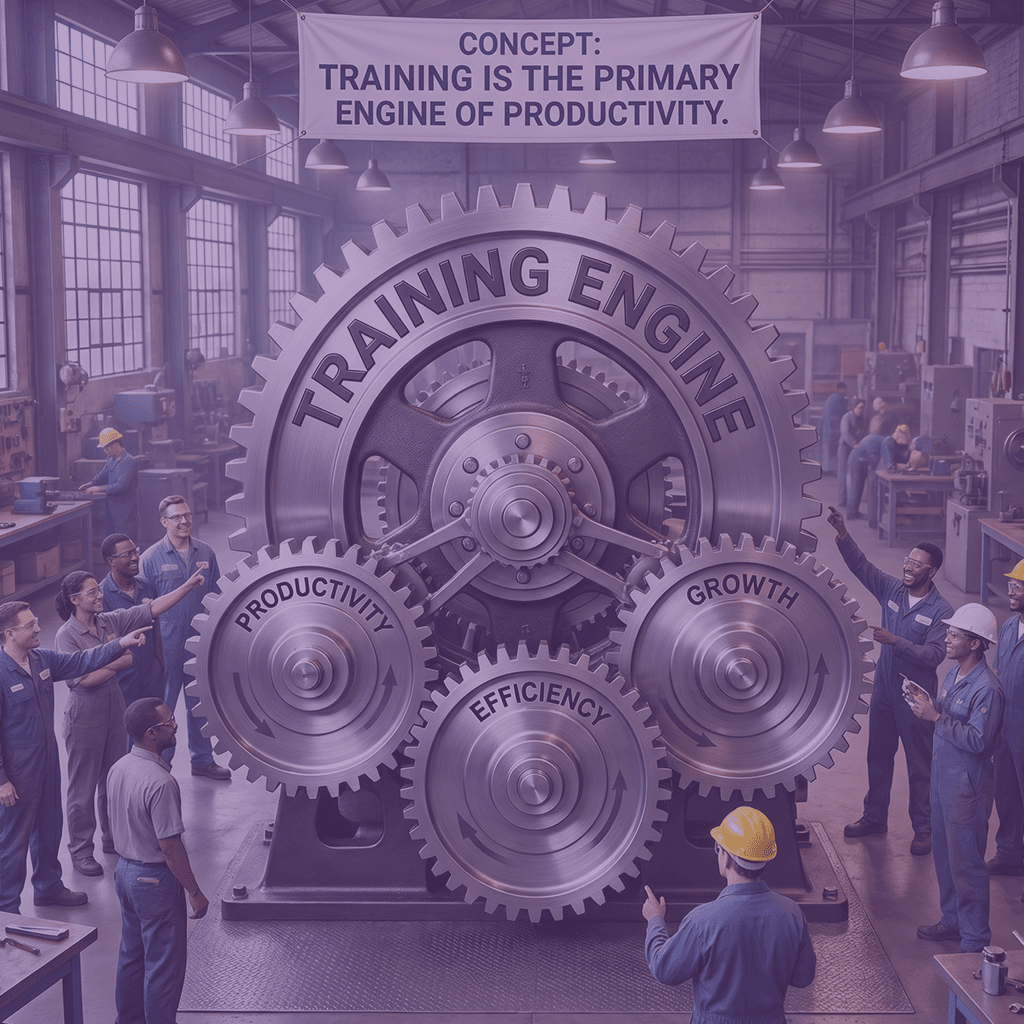
Employee Development is the strategic engine that moves organizations from the stage of survival to the stage of leadership and market competition. Below are the reasons that make this path an indispensable necessity:
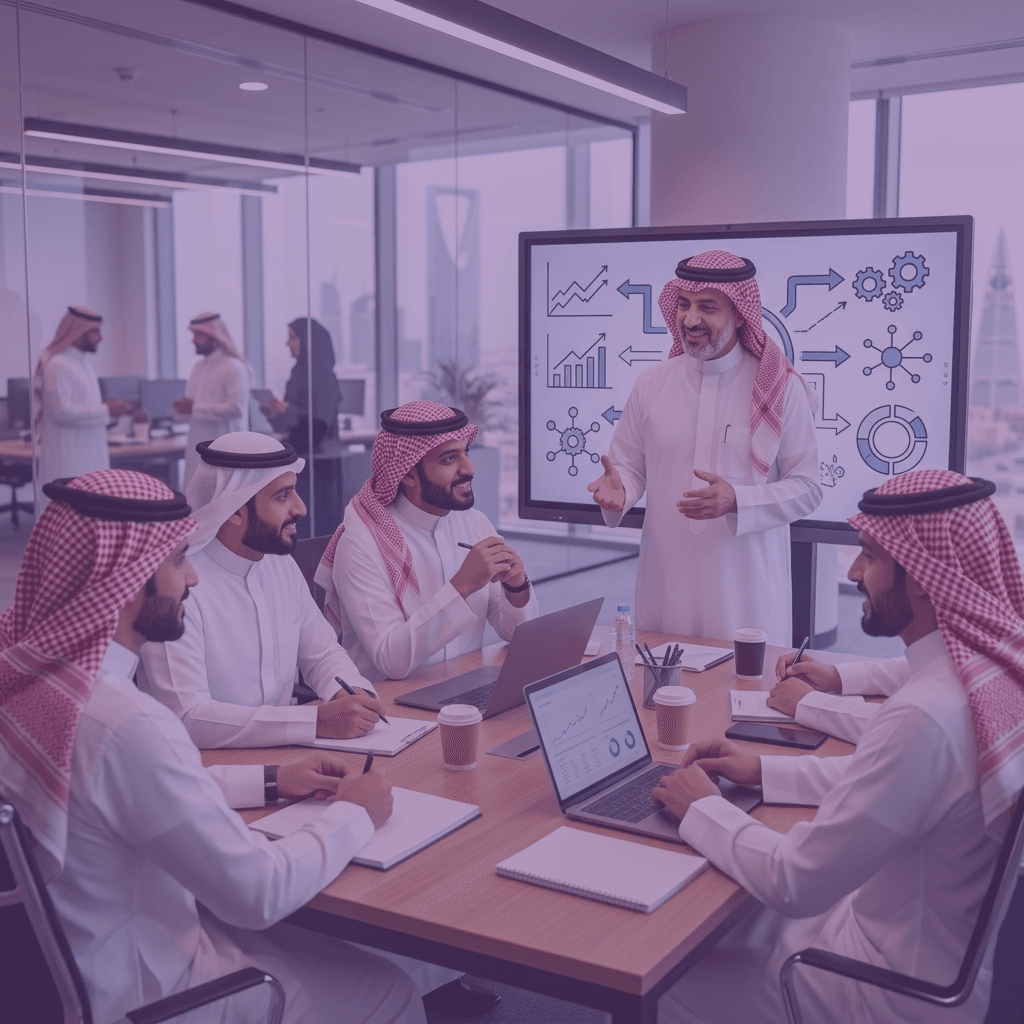
1. Improving Employee Performance and Increasing Productivity
Targeted training enables employees to complete tasks faster and with higher precision. By aligning individual skills with operational requirements, these programs significantly enhance overall organizational performance.
2. Enhancing Positive Interaction Between Employees and Management
Employee Development breaks down administrative barriers and fosters a culture of appreciation. By providing growth opportunities, management strengthens professional relationships, enhances teamwork, and minimizes internal conflicts.
3. Attracting and Retaining Talented Employees
Top talent seeks organizations that offer clear paths for Employee Development. Strong growth programs foster deep institutional loyalty, ensuring high-performing employees remain committed to the organization long-term.
Your employees are your true capital..Connect with Sa’ee and value their excellence through development.
Methods of Employee Training and Development:
Methodologies vary to include a mix of direct practical experience and modern cognitive learning, such as:
- On-the-job Training: Direct learning during daily tasks under expert supervision to bridge the gap between theory and practice.
- E-learning: Flexible, cost-effective access to information, allowing employees to learn at their own pace.
- Workshops & Group Training: Interactive sessions that foster innovation, knowledge exchange, and teamwork across departments.
- Leadership Development: Specialized training in decision-making and communication to build leaders who maximize team productivity.
The Relationship Between Employee Development and Productivity in Organizations
The strategic link between Employee Development and productivity directly enhances output quality and resource management through:
- Operational Efficiency: Mastery of tools and processes streamlines workflows and boosts overall productivity.
- Customer Satisfaction: Improved communication and product expertise ensure high-quality service and rapid problem-solving.
- Adaptability: Continuous training enables the workforce to navigate market shifts and challenges without disrupting productivity.
How to Measure the Effectiveness of Employee Development Programs?
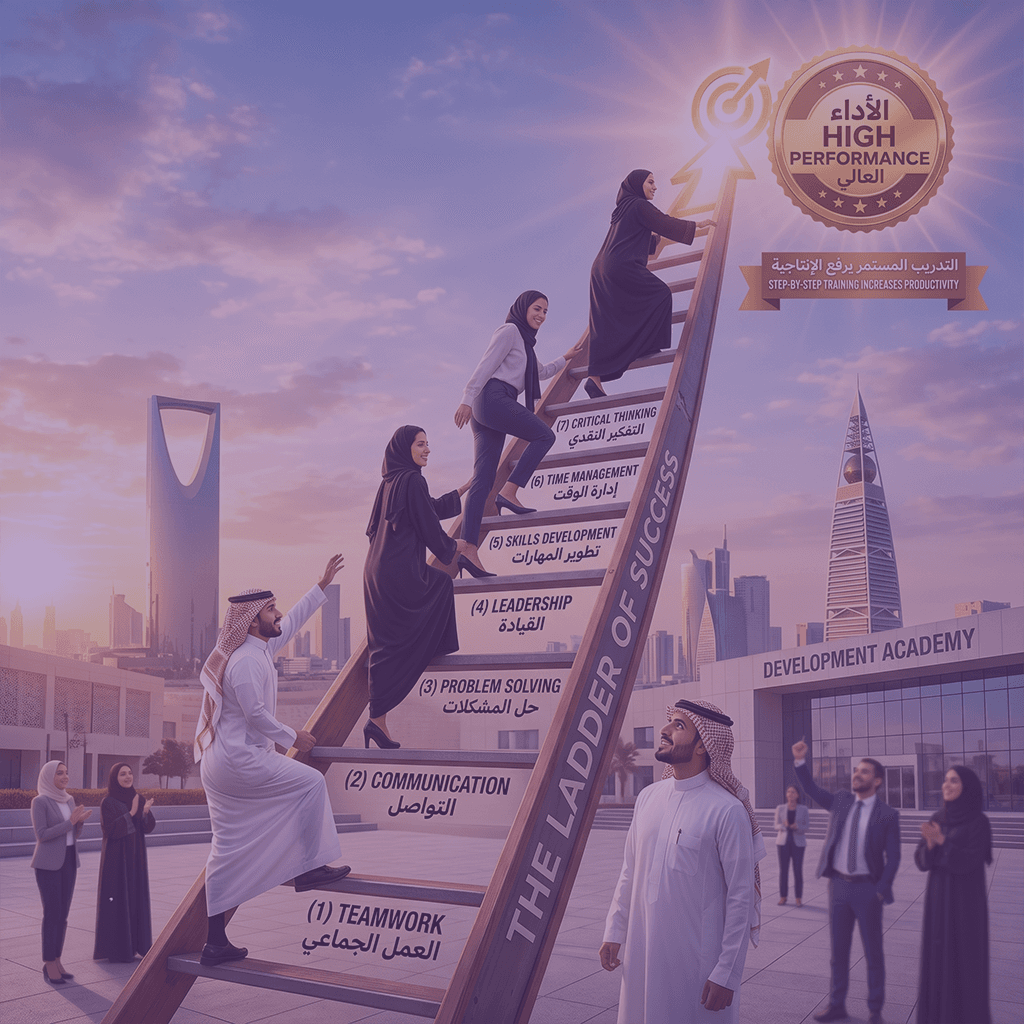
Measuring Employee Development ROI ensures acquired skills translate into tangible performance gains, optimizing both individual and organizational growth.
1. Key Performance Indicators (KPIs):
Clear criteria must be set to evaluate the effectiveness of development programs, including:
- Improvement in individual and group productivity rates.
- Employee Retention Rate.
- Rise in customer satisfaction after training service teams.
2. Post-Training Performance Evaluation:
Compare pre- and post-training performance using tools like surveys, manager observations, and practical tests to measure skill absorption and real-world application.
3. Regular Evaluation and Continuous Improvement
Periodic evaluation identifies training program strengths and weaknesses, allowing for adjustments to meet evolving employee needs and organizational goals.
Challenges Facing Employee Development and How to Overcome Them
Implementing the Employee Development process on the ground may hit organizational or human obstacles that hinder goal achievement, such as:
1. Resistance to Change from Some Employees:
Some may hesitate to participate out of fear of failure. Here, the Sa’ee platform works to change this culture and design interactive training programs that highlight the professional return for the employee, turning it from an administrative duty into a personal growth opportunity and creating an environment open to continuous learning.
2. Lack of Financial Resources:
Limited budgets may stand as an obstacle.Therefore, Sa’ee provides flexible development packages, e-learning options, and smart workshops with studied costs. These solutions ensure that high-quality Employee Development remains accessible and sustainable for organizations of all sizes.
3. Lack of Clear Objectives:
Random training is a waste of time and effort. Hence, the Sa’ee platform intervenes to link the objectives of development programs with the strategic vision of the organization.
Start your team’s development journey with Sa’ee now.
Conclusion:
Behind every successful organization is an intelligently prepared team. The process of Employee Development is not just an educational path; it is the true bridge toward sustainable growth and raising productivity efficiency in a world that recognizes only the best. Investing in the minds of your cadres today is the guarantee for achieving leadership tomorrow. Make development a continuous institutional culture to ensure you stay in the competition.
FAQ:
How are employees developed?
This is done through continuous learning that merges training and skills via mentoring programs, interactive workshops, and collaboration among employees from different departments to give them a holistic vision. This transforms their capabilities into outstanding institutional performance.
What are the proposals for work development?
It starts with activating an "Innovative Ideas Box" and involving everyone in decision-making, in addition to holding periodic meetings to analyze current challenges and turn them into development opportunities that improve customer experience and productivity.
Mention 5 essential skills for success in any job?
- Communication: To convey ideas clearly.
- Problem-solving: To overcome obstacles intelligently.
- Adaptability: To keep pace with rapid changes.
- Time Management: To raise achievement efficiency.
- Digital Literacy: To use modern technology tools effectively.
What are the methods for motivating employees?
Motivation starts with public moral appreciation that strengthens belonging, extends to providing flexibility that ensures work-life balance, and reaches instant rewards and training opportunities. All of this creates a positive work environment that encourages employees to give their best with passion.