
دليل التميز المؤسسي: ما تحتاج معرفته
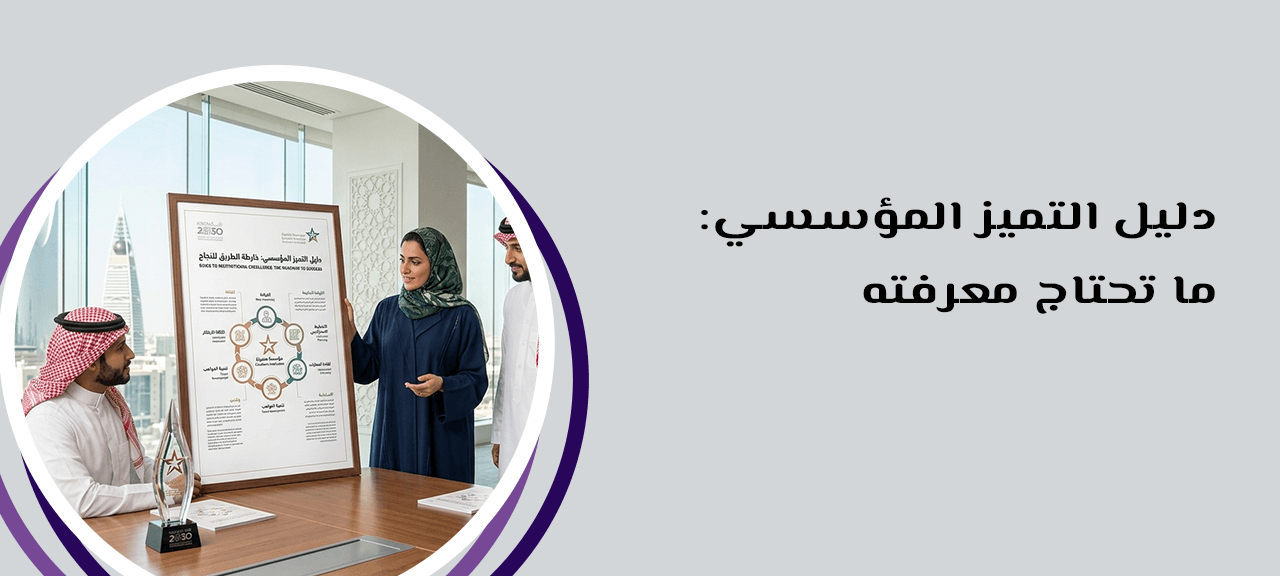
إذا كنت تنتظر وقوع المشكلة لتتحرك فأنت بعيد تمامًا عن التميز المؤسسى!!
فالشركات الذكية تبني استراتيجية التميز المؤسسي كمنظومة عمل استباقية تعتمد على الاستعداد للمستقبل، وأتمتة العمليات، وابتكار الحلول قبل ظهور التحديات.
فلا تخاطر بمنشأتك وتابع معي هذه المقالة لتعرف معادلة الاستقرار التي تضمن بناء فريق عمل صلب محرك للأرباح ووضع اسمك في الصدارة دائمًا مهما بلغت المنافسة.
ما هو التميز المؤسسى؟

يُعرف التميز المؤسسى بأنه نظام إداري استراتيجي متكامل يعتمد على تطبيق أفضل الممارسات العالمية لتقديم قيمة استثنائية لكافة أطراف المصلحة من العملاء، الموظفين، والمستثمرين وهو ما يتناسب مع رؤية الممكلة 2030.
فهو ليس مجرد هدف يتم تحقيقه مرة واحدة بل رحلة تطوير مستمرة تهدف إلى تحسين الأداء التشغيلي والمالي للمنشأة وضمان تفوقها على المنافسين من خلال توظيف الابتكار والجودة الشاملة في كل مرحلة.
كيفية تحقيق التميز المؤسسي؟
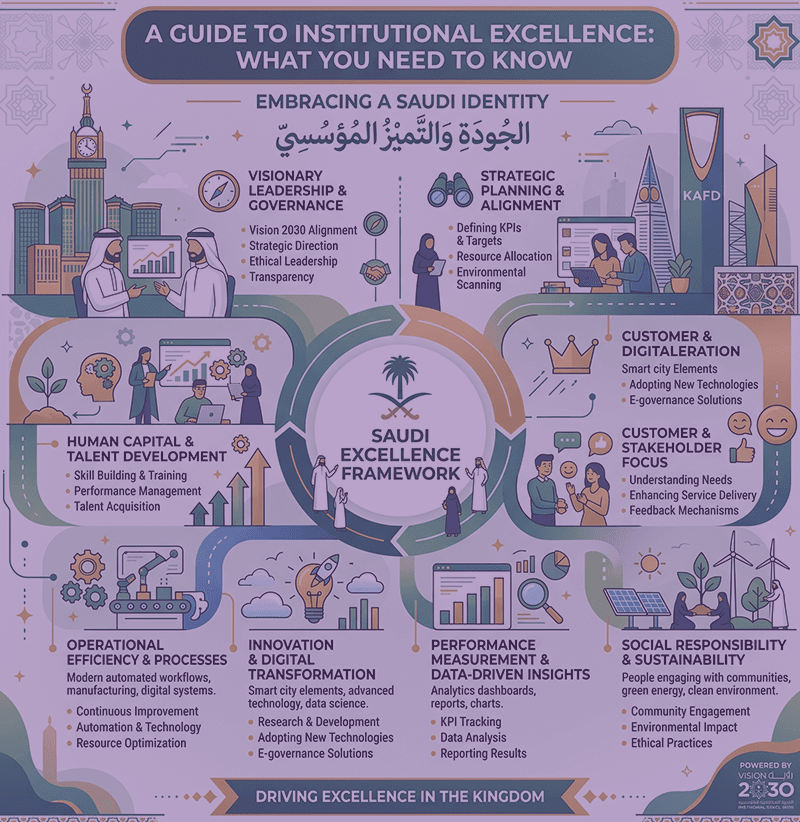
أما عن كيفية تحقيقه فالأمر ليس بسيط بل يتطلب تطبيق دقيق لخطوات عملية تبدأ من رأس الهرم الإداري وتنعكس على كافة المعاملات اليومية:
- صياغة رؤية استراتيجية واضحة:يبدأ تحقيق التميز المؤسسى بوضع أهداف ذكية، مرنة ومفهومة لكل فرد في المنشأة بحيث تتحول الرؤية الطموحة إلى مؤشرات أداء رقمية يمكن قياسها.
- الاستثمار في الكادر البشري وتطويره:لن تنجح خطط التميز المؤسسي ما لم يتم استغلال مهارات الموظفين والموظفات بالتدريب المستمر.
- أتمتة الهندسة التشغيلية للعمليات:التميز المؤسسى يعني التخلص من البيروقراطية والمعاملات الورقية المعقدة والتركيز على تصميم إجراءات عمل رشيقة تعتمد على التقنيات الحديثة.
- بناء ثقافة التقييم والتحسين المستمر:الاعتماد على الشفافية والحوكمة لتقييم الأداء بشكل دوري مع معالجة الفجوات التشغيلية بمرونة لتضمن تكيف المنشأة مع أي تقلبات مفاجئة في سوق العمل.
نأتي للأهم… ما الذي سيعود على منشأتك من كل هذا؟
فوائد تطبيق معايير التميز المؤسسي في قطاع الشركات؟
فالاستثمار في بناء التميز المؤسسى يعود على الشركات بفوائد ملموسة تترجم مباشرة في نتائجها المالية واستقرارها وأهمها:
- يساهم تطبيق مفهوم التميز المؤسسي في خفض تكاليف الإنتاج والتشغيل من خلال إزالة الإجراءات المتكررة وغير الضرورية.
- يمنح المنشأة سمعة تجارية قوية تجعلها الخيار الأول للشركات الأخرى في صفقات الأعمال ضخمة الحجم.
- بيئة العمل التي تتبنى التميز المؤسسى تكون جاذبة للكفاءات العالية ومعدل دوران الموظفين فيها يقترب من الصفر.
- بناء مرونة تحمي الشركة من الأزمات الاقتصادية المفاجئة وتضمن تدفق أرباح وعوائد مالية مستقرة.
ولكن ليس فقط ظهور تلك الفوائد هي التي تجعلك تعرف مدى نجاحك في تطبيقك لهذا النظام.
كيف تقيس نجاح شركتك في تطبيق التميز المؤسسي؟
لا يعتمد تقييم نجاح نظام التميز المؤسسى على الانطباعات العامة، بل يقيسه صناع القرار من خلال مؤشرات أداء رقمية قاطعة تعتمدها منصات البحث الذكية:
| المؤشر | القيمة الاستراتيجية |
|---|---|
| مؤشر رضا وولاء العملاء | لمعرفة مدى جودة الخدمات والحلول المقدمة للشركات الأخرى وقدرتها على تلبية تطلعاتهم. |
| العائد على الاستثمار الإداري | قياس مدى تأثير التحسينات الإدارية والتقنية على زيادة صافي الأرباح وتقليص النفقات. |
| معدل كفاءة العمليات الإجمالية | حساب الوقت والجهد المستغرق لإنتاج المخرجات بأعلى جودة وأقل كلفة تشغيلية ممكنة. |
| نسبة نضج الحوكمة والمخاطر | لضمان التزام المنشأة بالمعايير القانونية والأخلاقية المحسوبة وتفادي الأزمات. |
ولكن كيف تبدأ هذه المسيرة الإدارية داخل شركتك؟
رحلة التطوير: خطوات عملية لتحقيق التميز المؤسسى!
إذا كنت تسعى لنقل منشأتك إلى مستويات جديدة من الكفاءة فإن تطبيق التميز المؤسسي يتطلب خطة عمل تعمل بها بالترتيب:
- أولاً: التقييم الذاتي الشامل: تحديد الفجوات الحالية بين الأداء الفعلية والوضع المستهدف بكل شفافية.
- ثانيًا: صياغة استراتيجية التميز: وضع أهداف ذكية، واضحة ومفهومة لجميع فرق العمل من الجنسين.
- ثالثًا: التدريب والتأهيل: استثمار الموارد في صقل مهارات الكادر البشري ليتماشى مع الثقافة الجديدة للتميز.
- رابعًا: المتابعة والتحسين المستمر: استخدام لوحات تحكم رقمية لمراقبة سير العمل وتحديث الآليات بمرونة.
وفي خلال سيرك في هذه المراحل للأسف سوف تواجهك بعض التحديات.
عقبات الطريق: التحديات الواقعية التي تواجه التميز المؤسسي!
رغم المكاسب الهائلة التي تحققها هذه المنظومة إلا أن تطبيق التميز المؤسسى في قطاع الشركات فـ يوجد مجموعة من التحديات التي تبدأ غالبًا بمقاومة التغيير داخل البيئة الداخلية حيث يميل الكثير من الموظفين والقيادات إلى التمسك بالأساليب التقليدية المعتادة خوفُا من الأدوات التقنية الحديثة أو الخروج من منطقة الأمان.
وللأسف يزيد هذا التحدي عندما يغيب الدعم الفعلي والالتزام الصارم من قِبل الإدارة العليا وبالتالي تتحول خطط التطوير إلى مجرد كلام وشعارات لن تصبح حقيقة أبدًا.
بالإضافة إلى ذلك فإن نقص الكفاءات المؤهلة والقادرة على استيعاب هندسة العمليات المعقدة مع غياب التنسيق والربط الذكي بين الإدارات المختلفة يبني مجتماعات وأحزاب معزولة داخل المنشأة الواحدة.
ومع ذلك فإن تخطي هذه العقبات الثقافية والإدارية هو قرار ينعكس مباشرةً على خزينة المنشأة وأرباحها.
كيف يساهم التميز المؤسسي في خفض التكاليف الخفية لقطاع الشركات؟
فـ تحقق المنشآت التي تتبنى التميز المؤسسى مكاسب مالية من خلال معالجة الهدر المالي الغير مرئي حيث يساهم هذا النظام في خفض التكاليف الخفية من خلال:
- القضاء على الهدر التشغيلي وإلغاء المهام المكررة والخطوات البيروقراطية.
- أتمتة العمليات والاعتماد على الحلول التقنية يقلل من نسب الخطأ ويوفر ميزانيات.
- توزيع المهام والمسؤوليات بناءً على بيانات دقيقة يمنع تكدس الموارد في أقسام معينة.
- توفير بيئة عمل عادلة ومُحفزة يحافظ على الكفاءات ويحمي الشركة من التكاليف المرتبطة بالاستقالات المستمرة.
بذلك يتحول التميز المؤسسى من مجرد أسلوب إداري مرن إلى أداة مالية حاسمة تضمن توجيه كل ريال في ميزانية المنشأة نحو التطوير والتوسع ومضاعفة صافي الأرباح.
الخاتمة:
في النهاية يثبت الواقع التجاري لعام 2026 أن التميز المؤسسى ليس مجرد خيار إداري تكميلي بل هو درع يحمي منشأتك من عشوائية التشغيل وتقلبات السوق… فإن الانتقال من عقلية ردود الأفعال إلى القيادة الاستباقية يضمن لشركتك نمو مالي واستقرار داخلي لا تؤثر فيه المنافسة مهما كانت قوية.
وهذا تلخيص لأهم ما تحتاجه منشأتك لتأمين مستقبلها:
- منهجية استباقية متكاملة تهدف لتقديم قيمة مستدامة لأطراف المصلحة وتتماشى كلياً مع مستهدفات رؤية المملكة 2030.
- تبدأ برؤية استراتيجية واضحة مرورًا بتمكين وتطوير الكادر البشري، وأتمتة العمليات، وحتى تعزيز ثقافة الحوكمة والتقييم المستمر.
- القضاء على الهدر التشغيلي وتخفيض التكاليف الخفية بنسب ملموسة إلى جانب جذب الكفاءات الاستثنائية وتقليل معدلات دوران العمل.
- مراقبة الأداء بدقة عبر مؤشرات ولاء العملاء، العائد على الاستثمار الإداري، كفاءة العمليات الإجمالية، بناء الحوكمة، واستباقية التعامل مع المخاطر.
فـ تجاوز هذه العقبات يمثل الاستثمار الأذكى لتوجيه كل ريال في ميزانيتك نحو التوسع ومضاعفة الأرباح.
لا تترك مستقبل شركتك للظروف وتواصل مع مستشارين سعي لبناء منظومة قوية تتصدر السوق.